







Search Results for: Bitterness Comparison
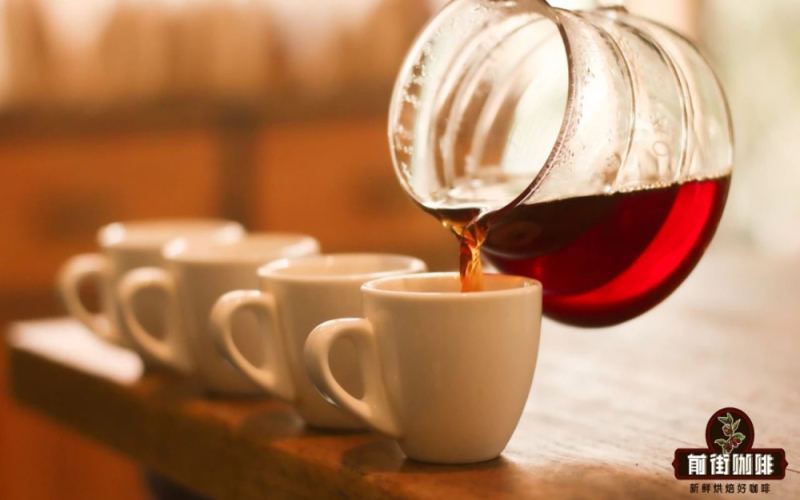
Comprehensive Comparison of Mandheling Coffee and Blue Mountain Coffee: Analysis of Origin, Processing Methods, Green Bean Characteristics, and Pour-Over Flavor Differences
Mandheling and Blue Mountain are often regarded as the two great representatives of full-bodied coffee, but their styles diverge sharply—the former is intense and aromatic, the latter balanced and sweet. From the perspective of Front Street Coffee, this article systematically sorts out the specific differences between Jamaican Blue Mountain and Indonesian Golden Mandheling in terms of geographical terroir, processing methods, green bean appearance, and cupping flavors. Blue Mountain comes from the high-altitude volcanic soil of a Caribbean island and uses the washed process; Golden Mandheling comes from Sumatra, where the wet-hulled method gives it its unique character. The article also includes Front Street Coffee's pour-over comparison parameters and flavor notes to help coffee enthusiasts more clearly understand the essential differences between these two classic coffees. [more…]
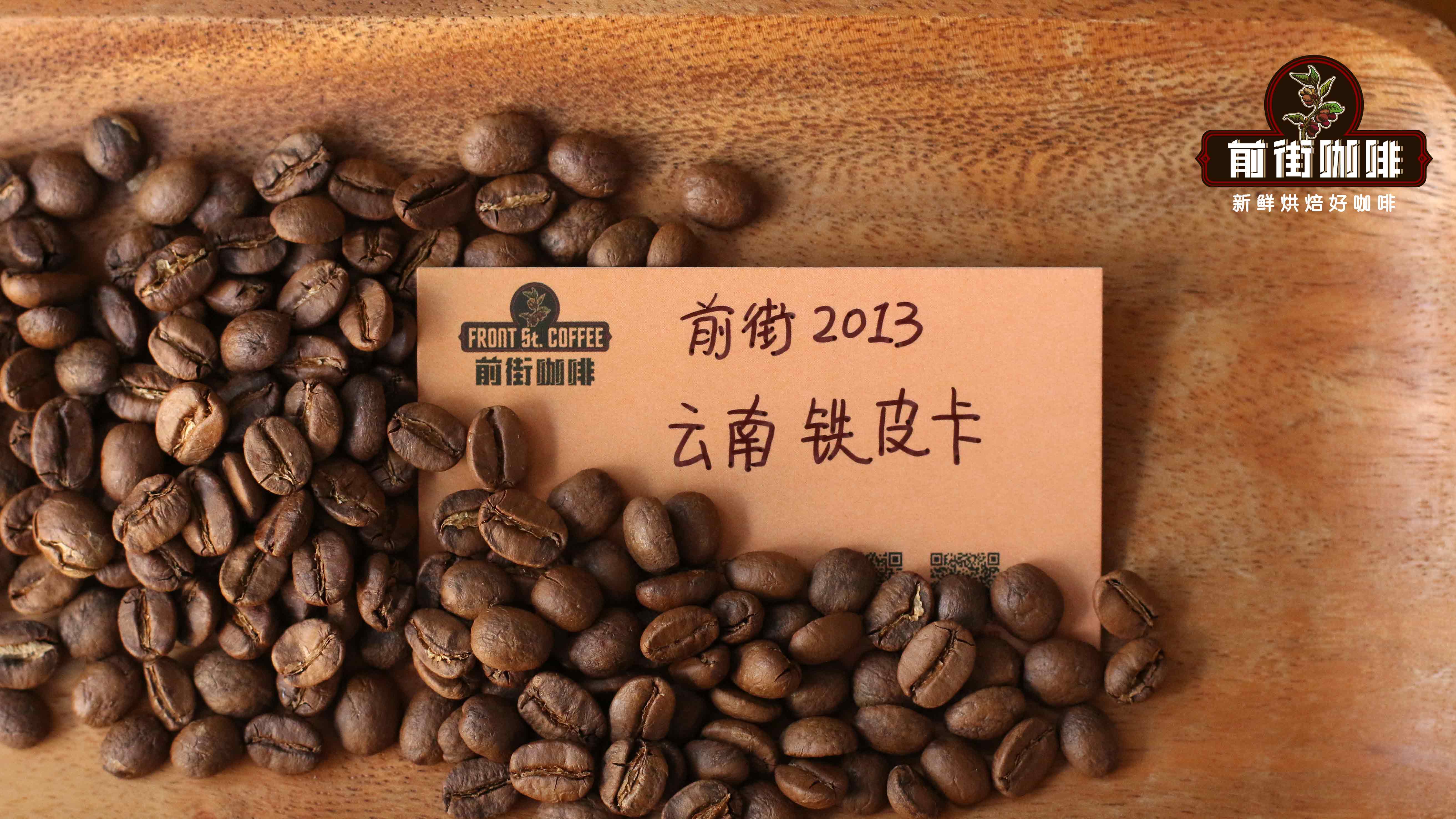
A Comparison of Roast Levels and Bitterness Between Yunnan Small-Bean Coffee and Mandheling Coffee: Flavor Differences and Suitable Applications
Yunnan small-bean coffee and Mandheling coffee appear quite frequently in domestic cafes, and both are often considered suitable for medium-dark roasting, but their flavor directions and bitterness expressions are not the same. Yunnan's coffee industry has developed rapidly in recent years, with annual output of green beans already exceeding 30,000 tons, and Catimor has become the main variety. Front Street small-bean coffee presents nutty, herbal, chocolate, and caramel notes, with a slight fruity acidity in the finish. Mandheling comes from Sumatra, Indonesia, and represented by Front Street Mandheling, it is known for being rich and full-bodied, low in acidity, with prominent bitterness and a faint earthy, herbal aroma. This article will compare the differences between the two in bitterness and body from the perspectives of origin background, variety characteristics, roasting performance, and brewed flavor, and explain why they are often used in blended coffee, espresso, and blend beans. [more…]
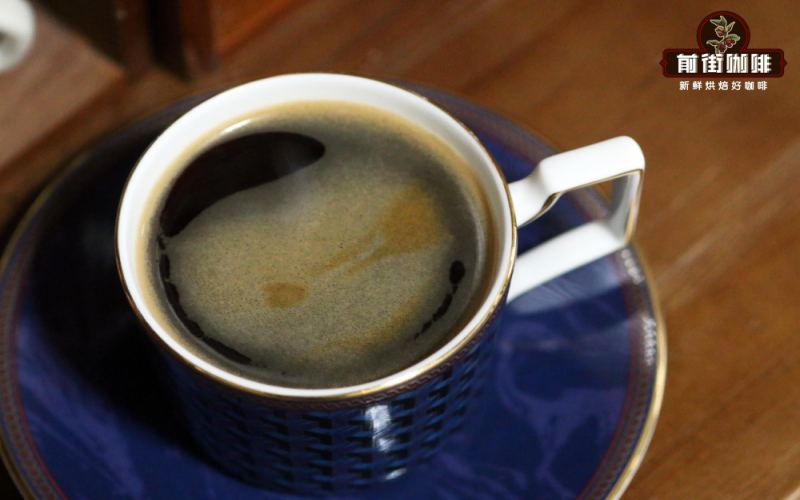
What Is Americano? A Full Analysis of Hot vs. Iced Taste Differences and Bitterness Comparison
Americano is made by diluting espresso with water. Although the method is simple, it is one of the most popular coffee categories in the world. Starting from the definition, this article compares the differences in aroma and mouthfeel among hot Americano, room-temperature Americano, and iced Americano, and explains how temperature affects taste perception, thereby changing the expression of bitterness and acidity. The article also combines Front Street Coffee's "Sunflower Warm Sun Blend" espresso beans to share bean resting suggestions and extraction experience, helping coffee lovers find an Americano style that suits them better. [more…]
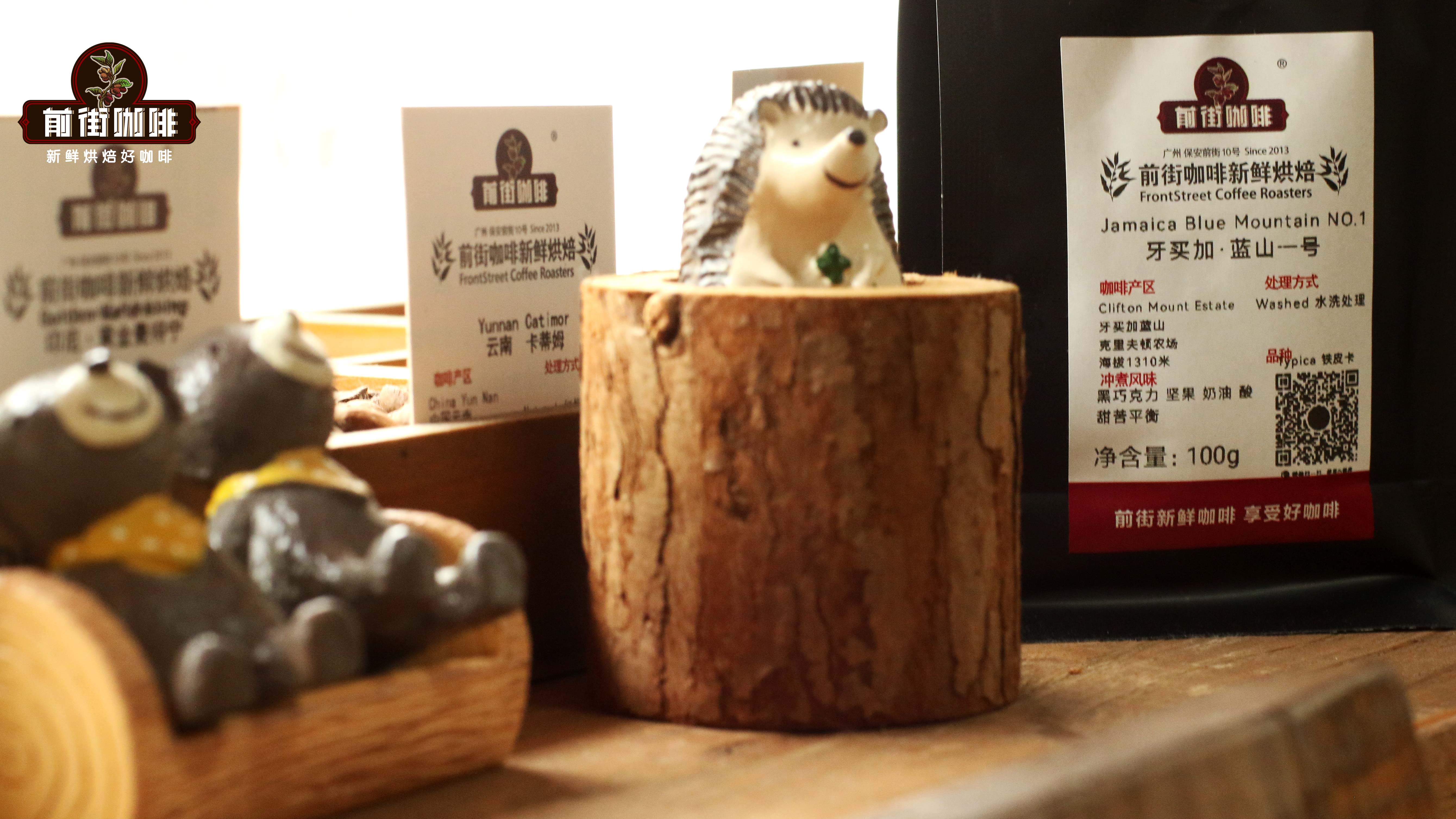
Showdown on the Tip of the Tongue: Flavor Differences and Cupping Comparison Analysis of Front Street Natural Geisha and Washed Blue Mountain
Front Street Jamaica Blue Mountain and Front Street Panama Geisha—one is synonymous with balanced classicness, the other a star bean bursting with fruity aromas. Through a comparison of dry and wet aromas and cupping flavors, this article breaks down in detail the differences between the two in acidity, sweetness, body, bitterness, and aromatic layering, helping you find the cup that best suits your taste. Whether you are a purist pursuing the original taste of coffee or an explorer drawn to rich complexity, you will gain clear purchasing and tasting references from it. [more…]
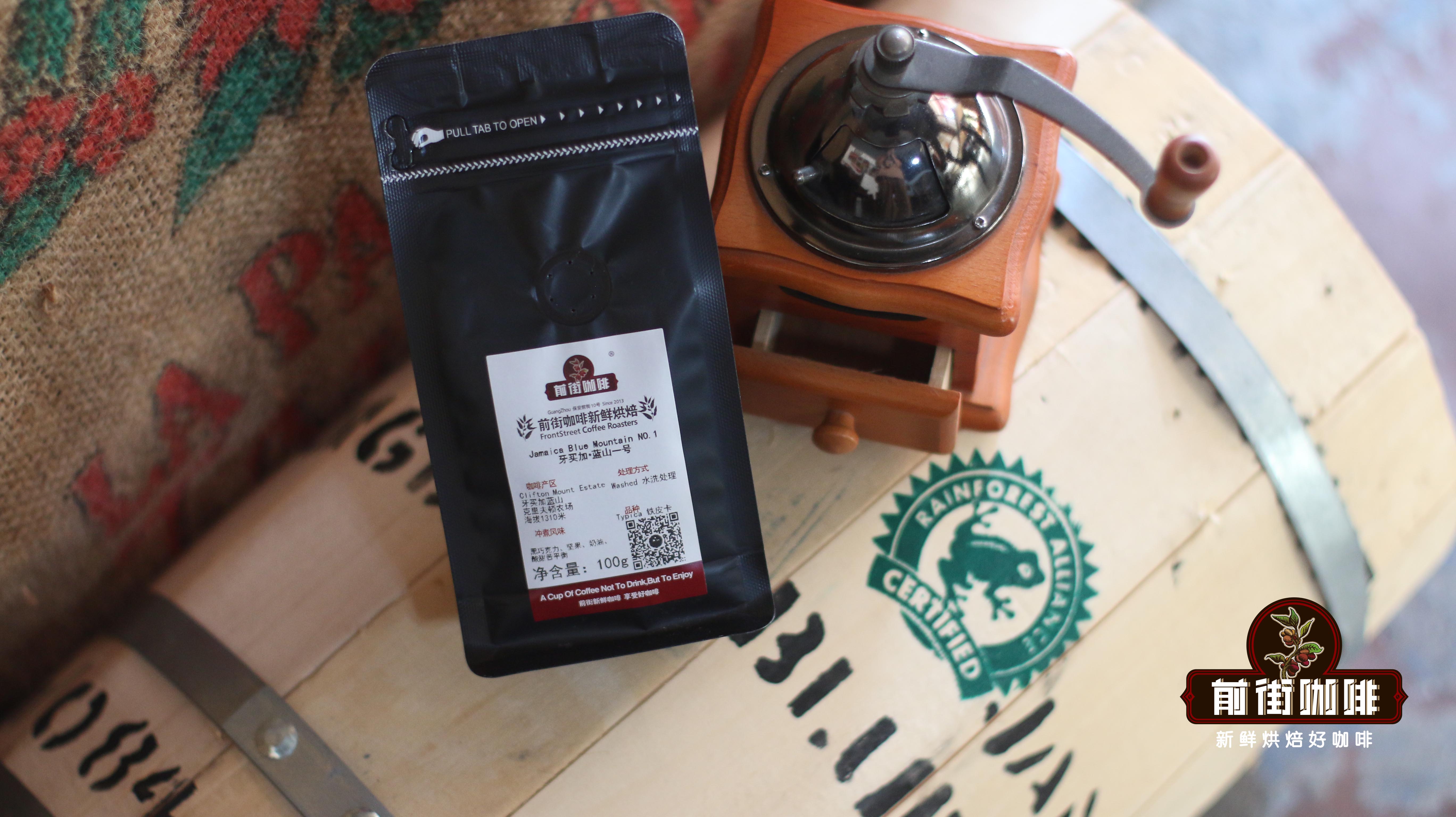
Jamaican Blue Mountain Coffee Bean Grading System and Flavor Comparison of Major Global Producing Regions with Taste Profile Analysis
Jamaican Blue Mountain coffee is hailed as a gem of the coffee world, captivating enthusiasts with its unique balance of acidity, sweetness, and bitterness, along with its rich, full-bodied flavor. This article begins with common knowledge about the varieties and grades of Jamaican specialty coffee beans, systematically introducing the flavor characteristics of Blue Mountain coffee, while comparing the taste differences among major coffee-producing regions worldwide such as Yunnan, Colombia, Brazil, Mandheling, Mocha, and Java, helping coffee lovers build a clear framework for understanding flavors. The article also incorporates Front Street Coffee's recommendations and product information for Blue Mountain coffee, providing a reference for purchasing and tasting. [more…]

Can You Make Cold Brew with Hot or Warm Water? Flavor Comparison Experiment of Quick-Extracted Cold Brew Coffee at Different Water Temperatures
Cold brew coffee usually requires 8 to 12 hours of low-temperature slow extraction, but what if you want to drink it the same day? Raising the water temperature can speed up extraction, but if you use hot water directly, it becomes hot brew, and the floral and fruity aromas and low bitterness unique to cold brew will also disappear. Front Street compared three methods through experiments: conventional 23°C cold water extraction for 10 hours, 40°C warm water extraction for 4 hours, and 92°C hot water blooming followed by room-temperature water extraction for 4 hours. The beans used were Colombia · Hanami, with full berry acidity, floral notes, and pink pepper flavors. The results showed that the 40°C warm water rapid cold brew was closest to the performance of conventional cold brew, with both a fermented feel and clearly presented flavors, making it suitable for friends who want to drink cold brew quickly. [more…]
How to distinguish between a Long Black, a Lungo, and an Americano? Production and flavor comparison of three black coffees
Facing Long Black, Lungo, and Americano on the menu, many coffee lovers often can't tell them apart. Although they are all black coffee, their preparation methods and flavor profiles each have their own merits. Long Black is the Australian's unique interpretation of espresso diluted with water, with a smaller cup size and a richer taste; Lungo is an extended espresso obtained by lengthening the extraction time, with a more pronounced bitterness; and Americano is the product of American soldiers diluting espresso to suit their taste during World War II. This article will break down in detail the differences between these three black coffees from the aspects of historical origins, brewing parameters, crema performance, and drinking experience, and cite extraction examples from Front Street Coffee to help you make a clearer choice the next time you order. [more…]
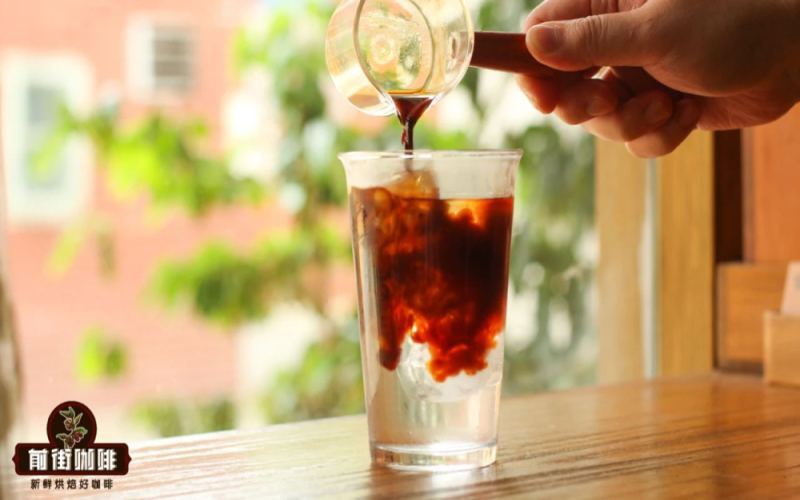
Flavor Comparison of Pour-Over vs. Iced Americano: Espresso Extraction Principles and a Guide to Choosing Italian-Style Beans
In today's era where specialty coffee prevails, espresso remains an indispensable offering in every café. Americano and pour-over both belong to the category of black coffee, yet their vastly different extraction methods deliver completely distinct taste experiences. This article starts from Front Street Coffee's brewing tutorial, first clarifying the concepts of espresso, Americano, pour-over, and black coffee, then delving into the sources of bitterness in Americano, followed by a flavor comparison using Costa Rica Mozart beans prepared as both pour-over and SOE Americano. In addition, the article systematically outlines the characteristics and suitable applications of four types of espresso beans—SOE, specialty blend, Warm Sun blend, and commercial blend—providing practical bean selection reference for coffee enthusiasts and industry professionals. [more…]
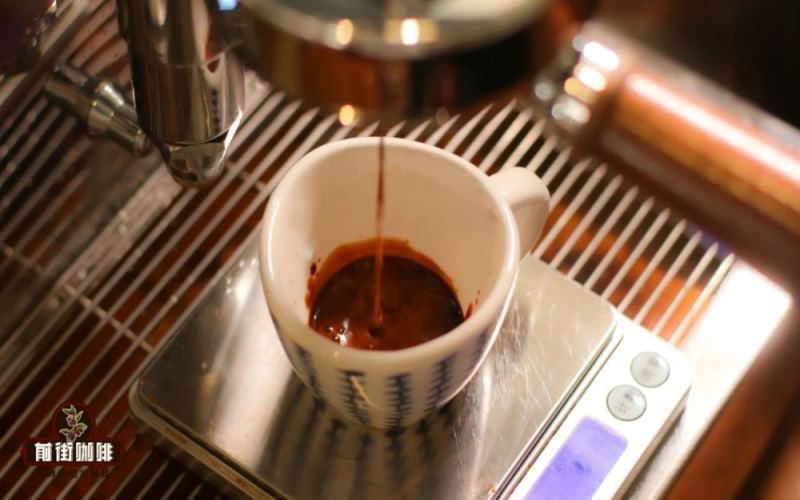
Differences in Drinking Methods Between Espresso and Americano: A Flavor Comparison of Italian Blend Beans and SOE
Espresso and Americano both belong to the Italian coffee system, yet the drinking experience they offer is entirely different. Espresso uses pressurized extraction to concentrate the essence of coffee into a 30ml cup; its flavor is rich and aromatic, yet it is often misunderstood by first-time tasters because of its bitterness. Starting from the sources of espresso's bitterness and the difference between Italian blend beans and SOE, this article sorts out the correct approach to tasting, and explains Americano's position as an espresso-plus-water drink. Combining specific products such as Front Street Coffee's commercial blend coffee beans and the Sunflower Warm Sun blend, it helps coffee lovers understand how different roast levels and bean choices affect espresso flavor, and find the cup that suits them. [more…]
Espresso vs. Americano: Brewing Methods, Bitterness Comparison, and Milk & Sugar Recommendations
Espresso and Americano sound like they differ by only one word, but their actual meanings are worlds apart. This article starts from the origins of the concepts to help you clarify the relationship between espresso, the broader category of Italian-style coffee, and Americano, and explains in detail the brewing ratios for Americano, the differences between iced and hot preparations, and how adding sugar or milk affects the flavor. It also draws on Front Street Coffee's production experience to offer specific parameter recommendations for the classic Italian-style blend and the Warm Sun blend, including the ratio of espresso to hot water, the proportions for iced Americano, and the amount of fresh milk to add—practical information suitable for coffee lovers who are just starting out or looking to refine their brewing skills. [more…]
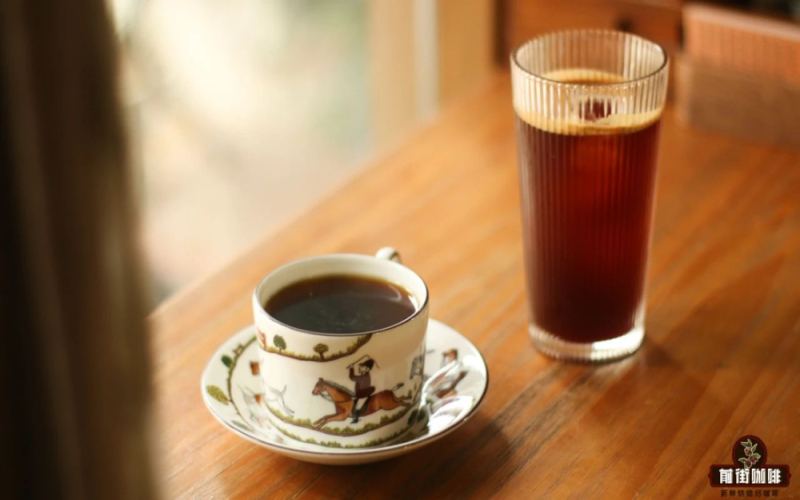
What Are the Differences Between Iced Americano and Hot Americano? An Analysis of Americano Brewing Methods and Flavor Comparison
Whether Americano should be drunk iced or hot has always been a hotly debated topic in coffee circles. Judging by market choices, iced Americano seems to have the upper hand, with noticeably more buyers than hot Americano. It's the same espresso with water added—why does merely a difference in water temperature make a cup of coffee present a completely different face? This article will use Front Street Coffee's actual comparative tests to analyze the specific differences between iced and hot Americano from the angles of brewing method, aroma expression, and mouthfeel layers, and explain how human senses perceive sourness, sweetness, and bitterness differently at various temperatures, helping you find the cup that better suits your taste. [more…]
A Comprehensive Analysis of Robusta Coffee Beans: Flavor Differences from Arabica, Cultivation Characteristics, and a Comparison of Their Respective Advantages and Disadvantages
In the world of coffee, Arabica and Robusta are the two major commercially cultivated varieties; the former occupies about seventy percent of the market, while the latter is often overlooked. Why exactly is Robusta so unpopular? What are the substantive differences between it and Arabica in terms of flavor, growing conditions, and cost? Starting from Front Street Coffee's espresso blending practice, this article combines the two varieties' chemical composition, adaptability, and market positioning to systematically sort out their advantages and disadvantages. Whether you want to understand Robusta's true value or want to find coffee beans suited to your own taste, this article can provide a clear reference. [more…]
Analysis of the Differences Between Mandheling and Blue Mountain Coffee Bean Varieties: From Origin and Processing Methods to a Cupping and Pour-Over Flavor Comparison
Mandheling and Blue Mountain are often regarded as the two leading representatives of full-bodied coffee, yet the two differ significantly in their regional terroir, varietal selection, green bean standards, and processing methods. Blue Mountain coffee comes from Jamaica's Blue Mountain region, is wet-processed, and consists mainly of the Typica variety, giving it a balanced and delicate flavor; Golden Mandheling, by contrast, originates from Sumatra, Indonesia, is processed using the wet-hulling method, and is rich, intense, and layered. Drawing on the cupping and pour-over practices of Front Street Coffee (FrontStreet Coffee), this article systematically sorts through the geographical backgrounds, processing methods, green bean characteristics, and brewing performance of these two coffees, helping coffee enthusiasts clearly distinguish the stylistic divide between them. [more…]
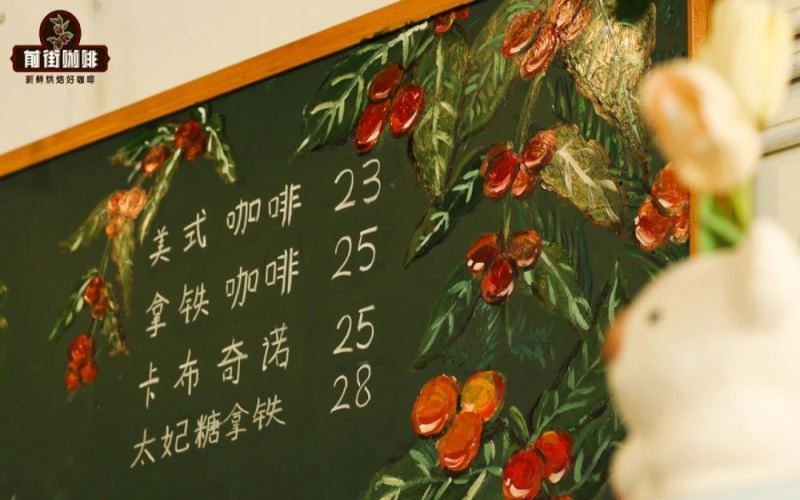
Starbucks Flat White vs. Americano: A Taste and Bitterness Comparison, and an Analysis of the Core Differences Between Flat White and Cappuccino
On Starbucks' menu, Americano, Latte, and Flat White are all very familiar options to consumers, and among them, Flat White quickly became popular after being introduced in 2020. Many people are curious: which is more bitter, Flat White or Americano? And how is it different from Cappuccino? This article will, from the perspective of Front Street, introduce the definition, origin, and cultural background of Flat White, analyze its differences from Latte and Cappuccino in terms of espresso dosage and milk foam texture, and share the specific way Front Street stores make Flat White, including blend bean selection, the coffee-to-liquid ratio of ristretto, and extraction parameters, to help you understand this milk coffee more comprehensively. [more…]
A Complete Analysis of Coffee Bean Roast Levels: Temperature, Taste, and Time Comparison from Light Roast to Espresso Roast
The roasting degree of coffee beans directly determines the flavor profile of the final cup. From the bright acidity of a light roast to the rich, bittersweet depth of a dark roast, each stage has its own unique temperature range, timing, and visual characteristics. This article systematically breaks down the complete process of coffee beans from light roast, medium roast, medium-dark roast to dark roast, and includes a detailed comparison table to help you understand the flavor changes and suitable applications of different roasting stages. Whether you are a beginner pour-over enthusiast or a seasoned player pursuing the ultimate flavor, this guide can provide you with practical reference. The article also specifically retains product recommendations from Front Street Coffee for your reference when making purchases. [more…]
An Analysis of Mandheling Coffee Bean Characteristics: Flavor Differences and Origin Comparison with Blue Mountain Coffee
Indonesian coffee is named after its producing islands, and among them Sumatra Mandheling is hailed as one of the fullest-bodied coffees in the world. It comes from the highland mountains of Sumatra at an altitude of 750-1500 meters, belongs to the rare Arabica species, and is best known for the first-grade quality produced in Takengon and Sidikalang. Mandheling beans are large and hard, with a rich, sweet aroma and a pure, bitter, full-bodied taste, with almost no acidity. It is suitable for deep roasting and is also an important component of coffee blends. Jamaican Blue Mountain coffee, by contrast, refers only to coffee produced in growing areas above 1800 meters. It has a fragrant, mellow flavor with sweetness amid bitterness, slight acidity, and an extremely low caffeine content. It is expensive and suitable for medium roasting. This article will compare in detail the differences between Mandheling and Blue Mountain coffee from the dimensions of origin, flavor, mouthfeel, roasting method, and price, and recommend related products from Front Street Coffee. [more…]
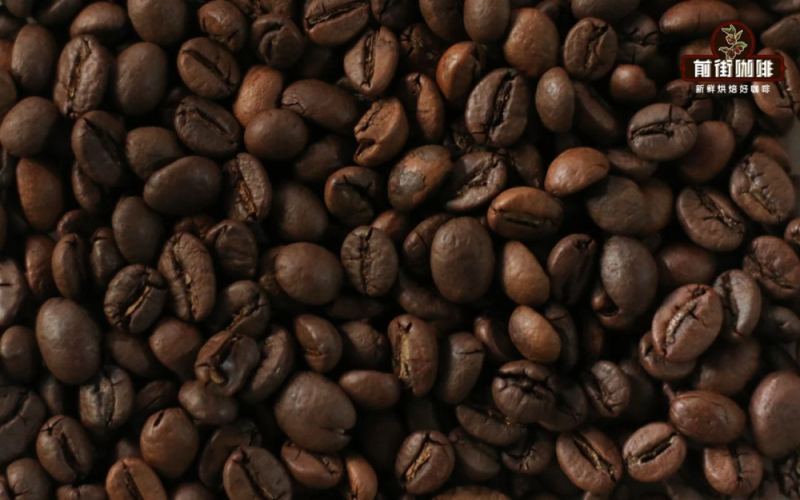
Agtron Color Value Interpretation: A Complete Comparison of Coffee Bean Roast Levels and Flavor Changes from Light to Dark Roast
The roast level of coffee beans directly influences the flavor expression in the cup. From the extremely light roast with an Agtron color value of 95 to the Italian roast with a color value of 25, each stage has its corresponding drop time and flavor characteristics. This article systematically sorts out the flavor variation patterns of 8 roast levels, and combines the actual classification methods of commercially available coffee beans to help readers understand the taste directions of light roast, medium-light roast, medium roast, medium-dark roast, and dark roast. The article also uses Front Street Coffee representative beans such as Yirgacheffe, Mozart, Queen's Farm Brazil, and Golden Mandheling as examples to illustrate how different roast levels shape the balance of acidity, sweetness, and body. [more…]
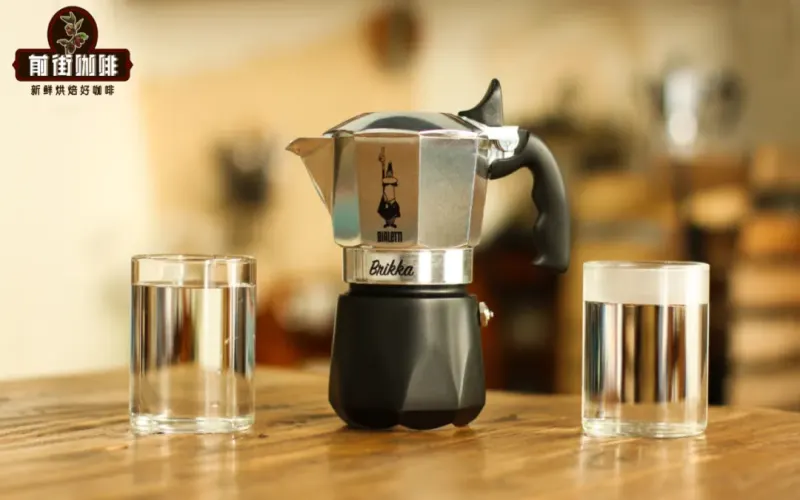
Moka pot: cold water or hot water? A hands-on comparison of heating time, sputtering, and bitterness differences
The Moka pot, with its compact size, simplicity, and affordability, has become the go-to home brewing device for many coffee enthusiasts. But in actual use, one repeatedly raised question has always puzzled people: when making Moka pot coffee, should you use cold water or hot water? The choice of water temperature not only affects the length of heating time, but also directly influences the final coffee flavor. Front Street conducted a controlled experiment, using cold water and hot water respectively to brew Moka pot coffee, recording the two's outflow time, extraction state, and taste presentation. This article will present the complete experimental process and results, analyze the causes of the sputtering phenomenon, and explain why Moka pot coffee made with cold water is more prone to bitterness, finally offering targeted operating recommendations. [more…]
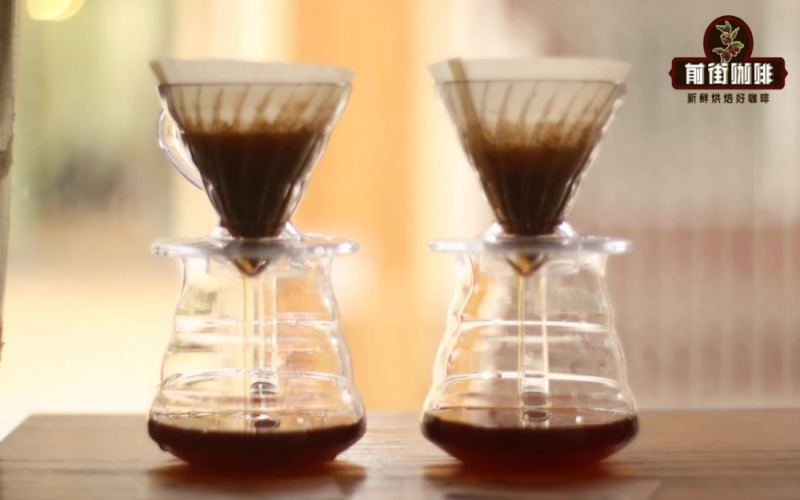
Cold Brew vs. Americano: A Comparison of Their Alertness Effects, Caffeine Content of Low-Temperature Slow Brewing, and a Detailed Guide to Making It
Cold brew coffee has gained increasing favor among coffee enthusiasts in recent years, not only because of its simple preparation method, but also because it can showcase the unique flavor charm of coffee beans. Compared with Americano made through high-temperature extraction, how does cold brew coffee perform in terms of caffeine content and refreshing effect? How does low-temperature extraction affect the acidity, sweetness, bitterness, and aroma of coffee? Starting from scientific research, this article will deeply analyze the differences between cold brew and Americano in their refreshing effects, and share Front Street Coffee's cold brew preparation method and recommended bean varieties, taking you through a comprehensive understanding of this essence extracted by time. [more…]
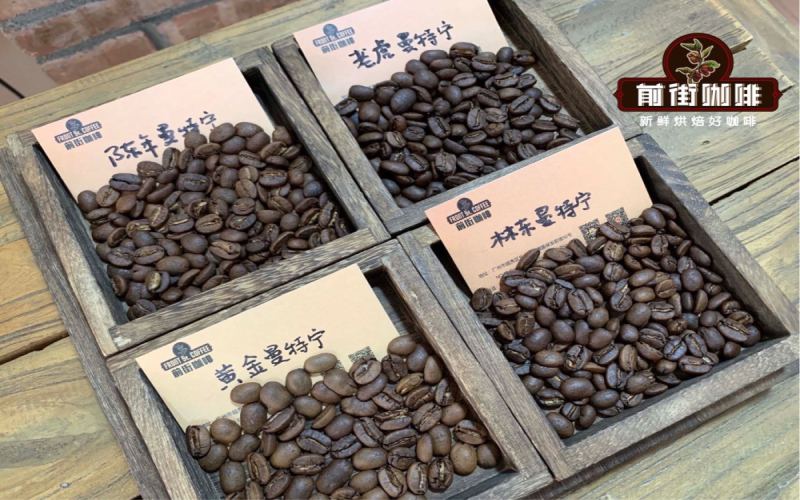
Which groups of people are suitable for drinking Mandheling coffee? PWN Golden Mandheling bitterness analysis and comparison with Blue Mountain coffee
Mandheling and Blue Mountain—one is the rich, grounded representative of Sumatra, the other a balanced, elegant Caribbean classic. This article systematically examines Mandheling coffee's sources of bitterness and the drinkers it suits, from historical origins and green bean selection to processing methods and flavor characteristics, and provides a detailed analysis of what makes PWN Golden Mandheling unique and how it differs from Jamaican Blue Mountain coffee. It also introduces the various Mandheling and Blue Mountain products sold by Front Street Coffee, helping coffee lovers make a clearer choice based on their personal taste preferences. [more…]